Get Personalized Guidance

Understanding Solar Technologies for Your Home

Explore the various types of solar panels and systems, and discover which solution best fits your energy needs and property.

Monocrystalline, Polycrystalline, and Thin-Film

Discover the right technology for your home

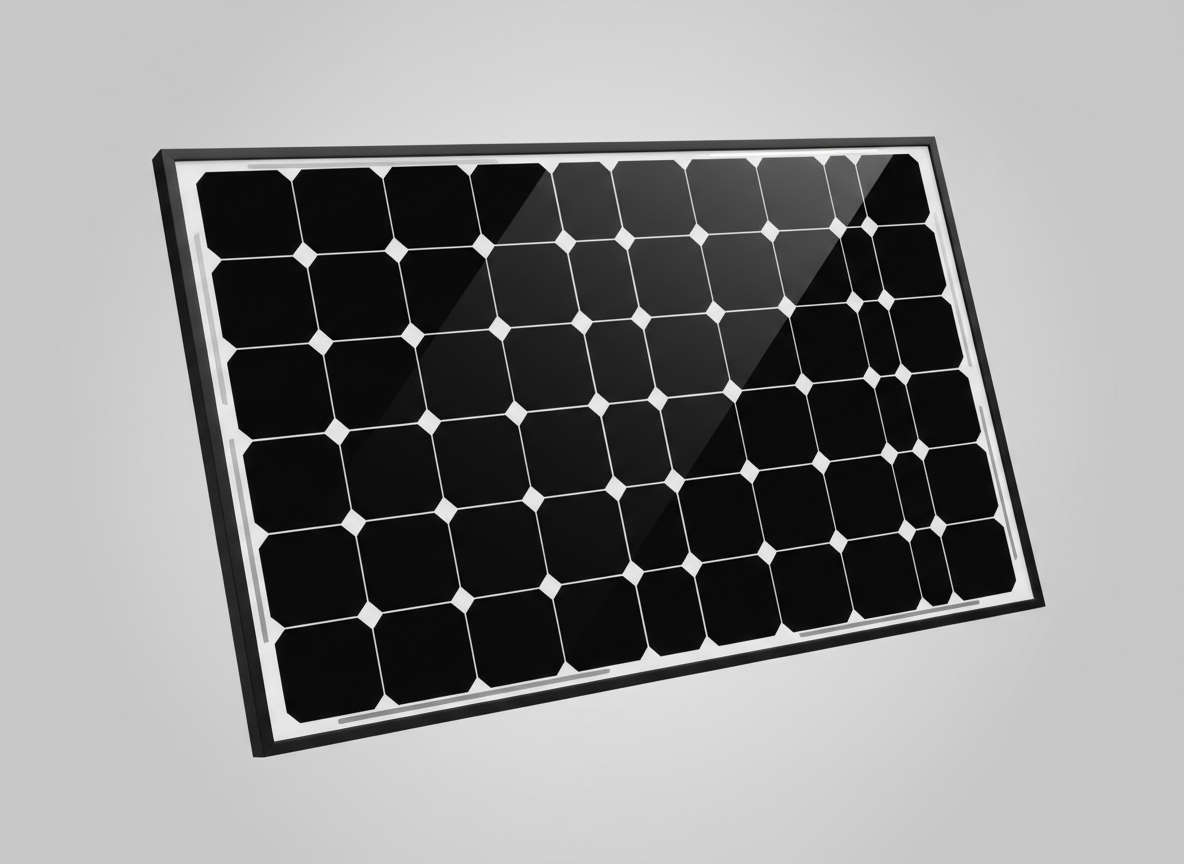
Monocrystalline solar panel

Monocrystalline Panels

Known for high efficiency and sleek, dark aesthetics. Ideal for limited roof space.
  • Highest efficiency rating (20-22%)
  • Space-efficient design
  • Long lifespan (25+ years)
  • Premium aesthetic appeal
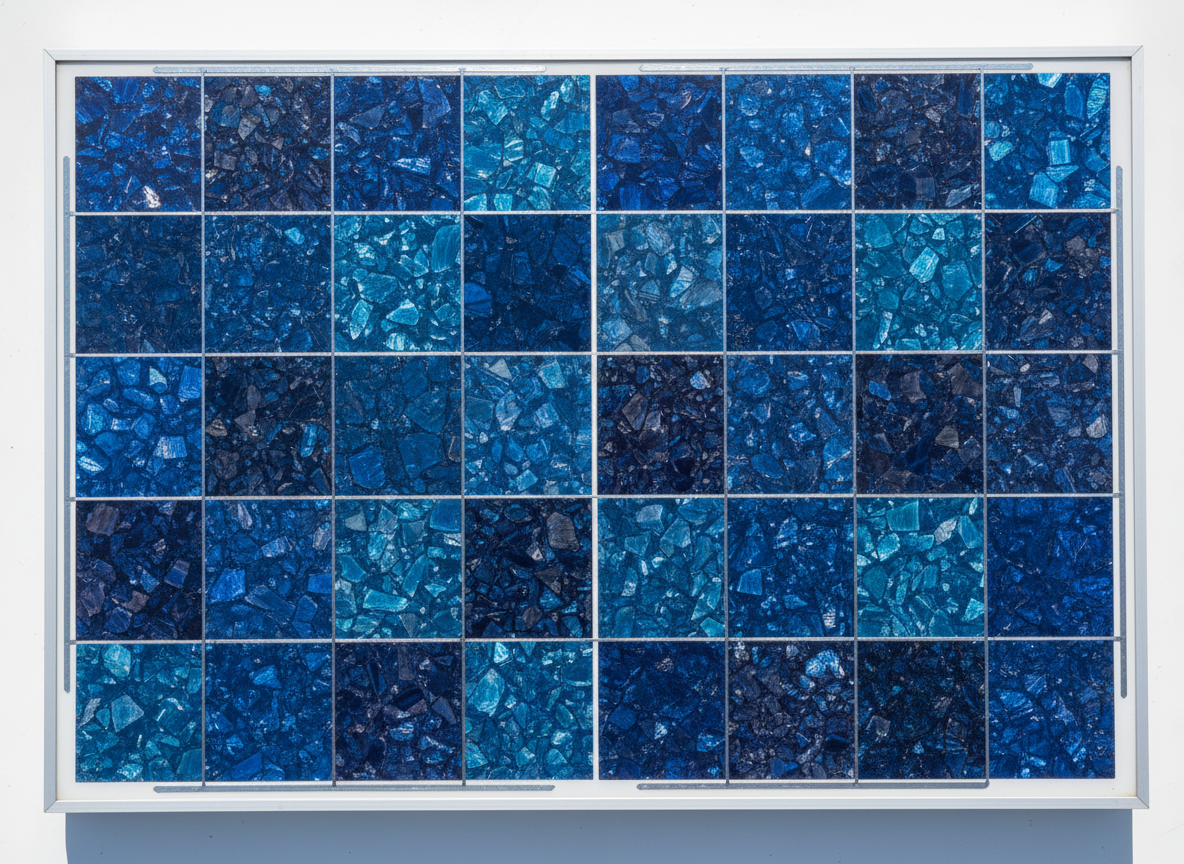
Polycrystalline solar panel

Polycrystalline Panels

A cost-effective option, slightly lower efficiency but still robust. Recognized by their blue hue.
  • More affordable pricing
  • Good efficiency (15-17%)
  • Reliable performance
  • Eco-friendly manufacturing
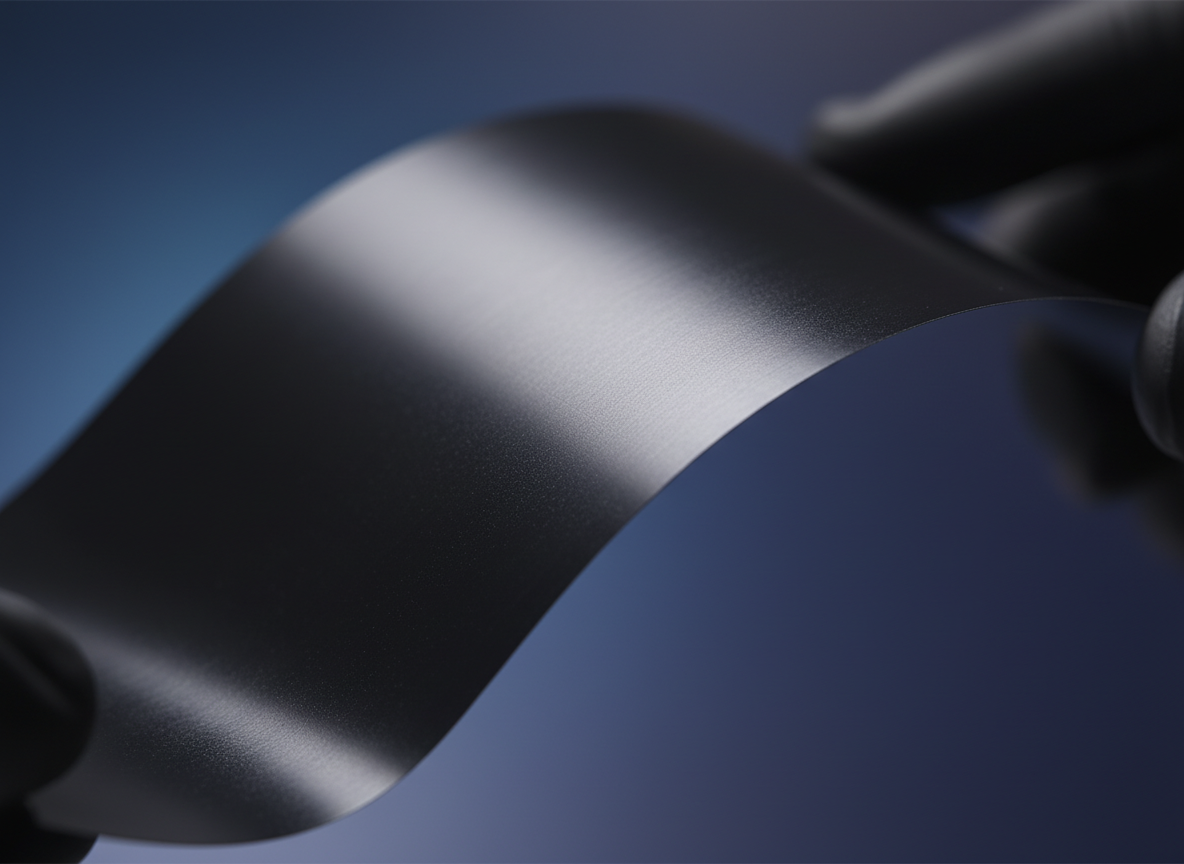
Thin-film solar panel

Thin-Film Panels

Flexible and lightweight, suitable for unique architectural applications. Less common for residential but emerging.

  • Flexible and lightweight
  • Versatile installation options
  • Better performance in heat
  • Aesthetic integration

Beyond Panels: Understanding Your Solar System

Learn about the components that make up a complete solar energy system

Inverters

Convert DC electricity generated by your panels into usable AC electricity for your home.

Mounting Systems

Securely fasten panels to your roof or ground, ensuring optimal angle and stability.

Grid-Tied Systems

Connected to the utility grid, allowing you to use grid power when needed and send excess energy back.

Off-Grid Systems

Independent from often with battery storage the utility grid, for complete energy independence.

Your Questions Answered

Common questions about solar panel technologies

Most solar panels come with a 25-year warranty and can actually continue producing electricity for 30 years or more. While efficiency may gradually decrease over time, quality panels from reputable manufacturers typically maintain about 80-85% of their original output at the 25-year mark. Regular maintenance can help maximize the lifespan and performance of your solar system.
Yes, solar panels can still generate electricity on cloudy days, though at reduced efficiency (typically 10-25% of their rated output). Solar panels capture both direct and indirect (diffused) sunlight, so even overcast conditions allow for some energy production. Additionally, many areas with cloudy weather still receive enough annual sunlight to make solar a viable and cost-effective energy solution.
Panel efficiency refers to how well a panel converts sunlight into electricity under ideal laboratory conditions (standard test conditions). Performance, on the other hand, refers to the actual real-world energy output over time, which can be affected by temperature, shading, dirt, panel orientation, and weather conditions. A highly efficient panel in the lab may not always perform better than a moderately efficient one in real-world conditions, making both metrics important to consider.

Still Have Questions About Solar Technologies?

Our experts are here to help you understand your options and find the best solution for your home.

Get Personalized Guidance